
This is where a lot of buyers get themselves into trouble.
They open Zillow. They start scrolling. They find a house they love. Then another. Then one they can already picture themselves in. They send it to their spouse, their mom, their best friend. They start talking about paint colors and backyard barbecues and where the Christmas tree would go.
And all of that happens before anyone has looked at what they can actually afford.
That is backwards.
It is also one of the fastest ways to turn what should be an exciting process into a stressful one.
A lot of first-time buyers think house hunting is step one. It is not. House hunting is step three. Maybe even step four, depending on how you count it. The real first step is figuring out your numbers. Not the number some online calculator throws at you after two clicks. Not the number you hope works. The real number based on your income, your debt, your savings, and what you can comfortably live with every month.
That part matters more than the search itself.
Because once buyers start shopping without a real budget, everything gets messy. They start looking at homes that are out of reach. Or they fall in love with a neighborhood that may not make sense for their price range. Or they assume they can stretch because they do not want to miss out. Then they finally talk to a lender and find out the payment is too high, the cash needed to close is more than expected, or the homes they have been watching are simply not realistic.
That is when excitement turns into disappointment.
It is not because buying a home is impossible. It is because nobody showed them the right order.
When the process goes well, it usually goes like this. First, you sit down and get honest about what you want to spend, not just what you might qualify for. Those are not always the same thing. A lender may approve you for one number, but that does not mean you want to live at the top of that range every month. You still have a life to pay for. Groceries. Gas. Travel. Kids. Dogs. Repairs. Everything does not stop because you bought a house.
So the smart move is figuring out the payment that works for your real life, not just for a file on someone’s desk.
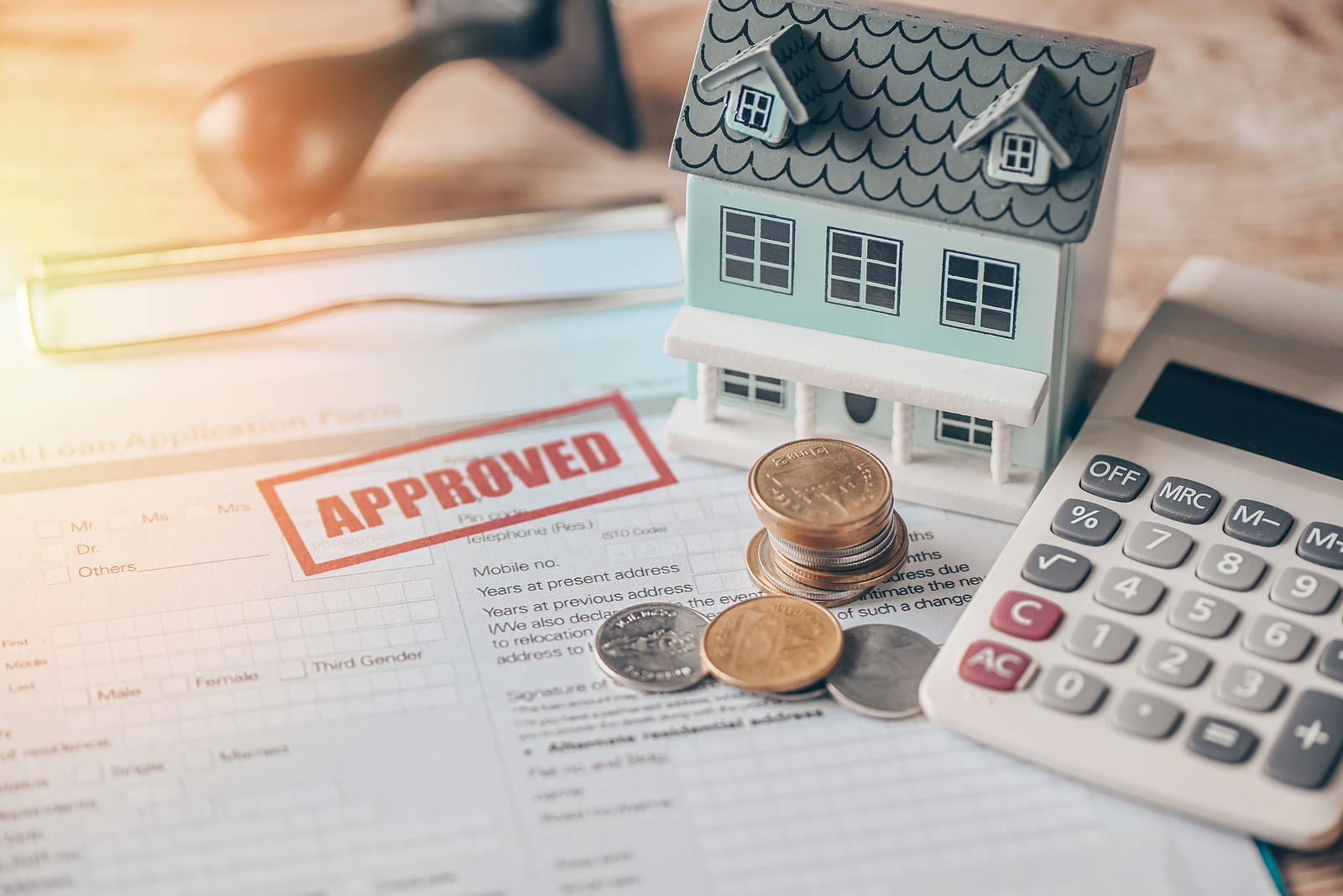
Then you get pre-approved.
And no, that is not just a boring step you have to check off before the fun part. Pre-approval is what turns you from someone browsing into someone ready. It tells you where you stand. It tells your agent how to guide you. And when the right house comes along, it tells the seller you are not guessing.
That matters.
Sellers do not take a casual browser the same way they take a pre-approved buyer. They just do not. If two offers come in and one buyer already has financing lined up while the other still needs to start that conversation, the prepared buyer usually looks a lot stronger. That is just real life.
Pre-approval also changes the way you shop. You stop looking at everything and start looking at what actually fits. That makes the search better, not smaller. It keeps you from wasting time. It keeps you from getting attached to homes you were never going to buy in the first place. It keeps the whole process from becoming emotional chaos.
And that is where a lot of stress comes from in the first place. It is not always the negotiation. It is not always the inspection. It is not even always the deadline. Most of the time, the buyers who feel the most overwhelmed are the ones who started without a plan and had to figure everything out while the clock was already ticking.
That is a miserable way to buy a house.
The buyers who usually feel the best by the end are not necessarily the ones who had the easiest deal. They are the ones who knew what was coming. They understood what pre-approval meant. They knew there would be closing costs. They knew the inspection might bring up issues. They knew what the next step was before they got there. So when something came up, it did not feel like a disaster. It felt like part of the process.
That is what good guidance does.
A good agent is not just there to open doors and send listings. A good agent helps buyers understand what they are walking into before they are in the middle of it. They explain the moving parts. They help set expectations. They help buyers make decisions in the right order so everything feels less reactive and more steady.
That matters even more with first-time buyers because there are so many pieces nobody teaches you. People hear “down payment” all the time, but nobody talks enough about closing costs, inspections, earnest money, timing, negotiations, or what happens after the offer gets accepted. Buyers should not have to learn all of that in panic mode.
They should be walked through it before it becomes urgent.

And that is really the point.
Buying a home should still feel exciting. It should still feel hopeful. It should still have that moment where you walk into a place and think, yes, this could be it. But that moment hits differently when it is backed by a real plan. It feels stronger. Safer. More possible.
Because then you are not just dreaming. You are actually in position to do something about it.
A home is not just another purchase. It is where life happens. It is where routines start. It is where birthdays get celebrated, holidays get hosted, random Tuesday nights happen, and years go by faster than anybody expects. The right house becomes the setting for all of it.
That is exactly why the process should be done right.
So yes, look at homes online. Save the ones you like. Get excited. But do not confuse scrolling with starting. The real start is the conversation about your numbers, your comfort level, and your game plan. Once that is in place, the search gets a whole lot better.
You stop guessing. You stop chasing. You stop feeling behind.
And you start shopping like someone who is actually ready to buy.